Designer Handmade Anarkalis Blend Craftsmanship and Couture
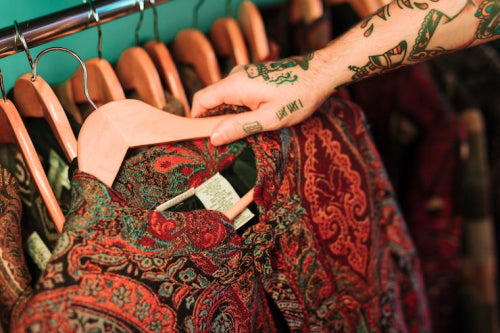
In the heart of Jaipur's artisanal workshops, the rhythmic clatter of needles and the whisper of silk fill the air. Master craftsmen, their skills honed over generations, weave intricate zari threads into flowing Anarkali suits, each stitch a tribute to India's rich textile heritage. These designer handmade Anarkalis, with their sweeping silhouettes and lavish embellishments, transcend mere clothing they are masterpieces of art, marrying age-old traditions with the elegance of high couture. As the global fashion industry embraces sustainable and authentic designs, India's Anarkali is emerging as a beacon of craftsmanship, captivating audiences from New Delhi to New York.
Fast fashion erodes cultural heritage, sidelining artisans and reducing traditions to trends. At IndieHaat, we champion India's craftspeople with handcrafted sarees, apparel, décor, and skincare rooted in authenticity. Each piece embodies skill and ethical care. Support artisans and preserve India's timeless legacy Shop Now!
A Heritage Crafted in Fabric
Rooted in Mughal grandeur, the Anarkali suit named after the fabled courtesan renowned for her poise embodies timeless sophistication. Its flared silhouette, often complemented by a fitted churidar and a delicate dupatta, conjures visions of royal courts. What distinguishes the handmade Anarkali is the unparalleled artistry behind it. Across regions like Rajasthan, Uttar Pradesh, and Gujarat, artisans employ centuries-old techniques such as hand-block printing, zari embroidery, and gota patti to produce garments as unique as their creators. A report by IMARC Group reveals that India's handicrafts sector, encompassing these artisanal textiles, was valued at USD 4,565.0 million in 2024 and is expected to reach USD 8,198.5 million by 2033, propelled by a 6.39% CAGR through rising demand for ethnic, handmade products.
This surge reflects more than economic growth; it signals a revival of cultural pride. With increasing disposable incomes and a global shift toward sustainable alternatives to fast fashion, the Anarkali's appeal lies in its narrative. Each suit, crafted over weeks, bears the mark of its artisan perhaps a Lucknow embroiderer perfecting chikankari or a Varanasi weaver threading gold into silk. This blend of heritage and skill is why designers and boutiques worldwide are sourcing Anarkalis, not only for Indian celebrations but also for international runways and high-profile events.
Sourcing the Soul of Tradition
Procuring handmade Anarkalis is a complex endeavor, rooted in India's vibrant ethnic wear industry. A blog by Dragon Sourcing highlights India's role as a global hub for traditional apparel, with specialties like Banarasi sarees and Rajasthani lehengas setting benchmarks for quality and authenticity. Anarkalis require a meticulous supply chain, with designers partnering with artisan clusters in cities like Jaipur and Hyderabad. These skilled craftsmen ensure every detail sequins, metallic threads, hand-dyed fabrics aligns with couture standards, a process that can involve weeks of hand-stitching to achieve the garment's iconic flow.
However, the path is fraught with challenges. Artisans contend with volatile raw material costs, as silk and zari prices fluctuate, and the pressure to scale production while maintaining handmade quality. Global markets, from Dubai to the US, demand uniformity, yet the artisanal nature of Anarkalis ensures each piece is distinct. This individuality, though a hallmark of their value, requires buyers to appreciate the subtle variations of handcrafted work. Government-led efforts, including export promotion programs and e-commerce platforms like ONDC, are mitigating these obstacles, enabling artisans to reach international markets while safeguarding their craft's authenticity.
Where Couture Embraces Craft
The transformation of a handmade Anarkali into couture hinges on the vision of India's leading designers. Renowned couturiers like Sabyasachi Mukherjee and Manish Malhotra have reimagined the Anarkali, fusing traditional techniques with modern sensibilities. A Sabyasachi creation might blend vintage zari embroidery with a sleek silhouette, resonating with both Indian brides and global style icons. These designers craft more than garments; they weave narratives of India's cultural legacy, creating pieces that shine at a Delhi wedding or a Manhattan gala.
The Anarkali's global resonance is striking. In Dubai's upscale boutiques, saffron-toned Anarkalis adorned with rose gold embroidery stand alongside couture gowns. In London, eco-conscious consumers pair them with minimalist accessories, drawn to their sustainable ethos. The rise of e-commerce has broadened this reach, with platforms like Craftsvilla and Jaypore curating Anarkalis for international buyers. The IMARC Group underscores that the growth of online stores is a key factor in the handicrafts market's projected 6.39% CAGR through 2033, connecting artisans with a worldwide audience.
Navigating Obstacles, Seizing Opportunities
Despite their rising prominence, handmade Anarkalis face fierce competition from machine-made imitations, which are often 40% less expensive and flood local and global markets. The IMARC Group notes that over 70% of India's handicraft production operates in the unorganized sector, resulting in inconsistent quality and delayed deliveries that hinder large-scale export orders. Artisans also navigate regulatory complexities, such as India's FSSAI standards and international requirements like the UK's Cosmetic Safety Assessments, which, while not directly tied to textiles, reflect the stringent oversight on handmade goods globally.
Yet, the horizon is promising. Initiatives like the EU's EUR 9.5 million grant to bolster India's handicraft sector are equipping artisans with training and market access. Digital platforms like Tulip, launched by the Ministry of Social Justice, streamline supply chains and ensure fair wages for marginalized craftsmen. These efforts are not only preserving heritage but also positioning Anarkalis as a pillar of sustainable fashion. With materials like organic cotton, natural dyes, and recycled zari, Anarkalis align with the global demand for ethical consumption, offering a compelling alternative to fast fashion.
A Legacy Stitched for the Future
Picture an artisan in Varanasi, her hands deftly threading the final stitch into a crimson Anarkali, each movement a link to centuries of tradition. This garment is more than fabric; it is a conduit between eras, regions, and aspirations. The handmade Anarkali, with its intricate embroidery and graceful flow, challenges the notion that fashion must be ephemeral, offering instead a celebration of human artistry and cultural depth. As India's handicrafts market surges toward USD 8.2 billion by 2033, driven by a global quest for authenticity, the Anarkali is redefining couture. From a Jaipur wedding to a Paris soirée, it carries the essence of its creator, each thread a story of a nation where heritage and innovation intertwine.
Frequently Asked Questions
What makes handmade Anarkali suits different from machine-made versions?
Handmade Anarkali suits are crafted by skilled artisans using centuries-old techniques like hand-block printing, zari embroidery, and gota patti, with each garment taking weeks to complete. Unlike machine-made versions that are approximately 40% cheaper and uniform, handmade Anarkalis feature unique variations that reflect the artisan's individual craftsmanship and the garment's cultural heritage. Each piece is one-of-a-kind, bearing the distinct mark of its creator and incorporating premium materials like hand-dyed fabrics, metallic threads, and intricate sequin work.
How is India's handmade Anarkali market growing and what's driving this demand?
India's handicrafts sector, which includes artisanal Anarkalis, was valued at USD 4,565.0 million in 2024 and is projected to reach USD 8,198.5 million by 2033, reflecting a 6.39% compound annual growth rate. This growth is driven by increasing disposable incomes, a global shift toward sustainable fashion alternatives, and the rise of e-commerce platforms that connect artisans with international buyers. The demand reflects both cultural pride and growing consumer interest in authentic, handcrafted ethnic wear that offers a sustainable alternative to fast fashion.
Where are handmade Anarkali suits sourced and which regions specialize in their production?
Handmade Anarkalis are primarily sourced from artisan clusters in cities like Jaipur, Lucknow, Varanasi, Hyderabad, and regions across Rajasthan, Uttar Pradesh, and Gujarat. Each region brings specialized techniques Lucknow is renowned for chikankari embroidery, Varanasi for weaving gold into silk, and Rajasthan for gota patti work. These skilled craftsmen partner with designers and boutiques to create couture-quality garments that meet global standards while maintaining the authenticity and artisanal quality that makes each Anarkali unique.
Disclaimer: The above helpful resources content contains personal opinions and experiences. The information provided is for general knowledge and does not constitute professional advice.
You may also be interested in: Terracotta Crafts of India: A Design Renaissance – Indiehaat.com
Fast fashion erodes cultural heritage, sidelining artisans and reducing traditions to trends. At IndieHaat, we champion India's craftspeople with handcrafted sarees, apparel, décor, and skincare rooted in authenticity. Each piece embodies skill and ethical care. Support artisans and preserve India's timeless legacy Shop Now!
Powered by flareAI.co