Cultural Significance of Handloom in India's Weddings
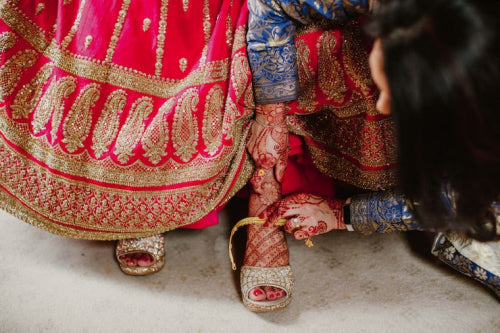
In the vibrant tapestry of an Indian wedding, few elements capture the heart and heritage quite like the shimmer of a handloom sari draped around the bride. As families gather under mandaps adorned with marigolds and the air fills with the scent of jasmine and incense, these intricately woven fabrics tell stories passed down through generations. Weaving Traditions: The Cultural Significance of Handloom in India's Weddings goes far beyond mere clothing it embodies continuity, craftsmanship, and community in one of life's most sacred celebrations.
Fast fashion erodes cultural heritage, sidelining artisans and reducing traditions to trends. At IndieHaat, we champion India's craftspeople with handcrafted sarees, apparel, décor, and skincare rooted in authenticity. Each piece embodies skill and ethical care. Support artisans and preserve India's timeless legacy Shop Now!
The Enduring Legacy of Handloom in Indian Matrimony
Handloom textiles have been integral to Indian weddings for centuries, rooted in ancient practices where every thread carried profound meaning. From the exquisite Banarasi silks of Varanasi to the rich Kanjeevaram weaves of Tamil Nadu and the intricate Patola patterns of Gujarat, these fabrics serve as cultural heirlooms. Brides across regions select handloom pieces with great care, often incorporating family treasures that have witnessed previous unions, adding layers of emotional depth and personal history to the occasion.
In a country as diverse as India, wedding rituals vary widely from the energetic North Indian baraats and South Indian muhurtams to Bengali bhaat ceremonies yet handloom remains a constant, unifying thread. The choice of fabric reflects regional pride, family values, and individual taste, creating a visual language that resonates deeply with everyone present at the celebration.
Symbolism Woven into Every Thread
Each handloom textile carries profound symbolism tailored to the wedding context. The rich red of a bridal saree signifies prosperity and fertility, while intricate gold zari work represents divine blessings. Motifs such as peacocks for beauty, lotuses for purity, and elephants for strength appear frequently, each selected with deliberate intention for the auspicious occasion.
Artisans dedicate weeks or even months to crafting a single piece, employing time-honoured techniques like ikat, jamdani, and block printing that demand exceptional precision and patience. This labour of love transforms wedding attire into a powerful testament to human skill and cultural resilience. Today, many couples consciously opt for handloom to honour these traditions while blending them seamlessly with modern celebrations.
Bridal Fashion: Tradition Meets Contemporary Style
Modern Indian brides are reimagining handloom in exciting ways. A classic Kanjeevaram saree might be paired with contemporary jewellery, or a lightweight Chanderi dupatta could beautifully complement a fusion lehenga. Designers across India are blending traditional handloom with sustainable practices, appealing to younger generations who prioritise authenticity and ethical choices in their wedding ensembles.
This thoughtful evolution keeps handloom vibrant and relevant. Grooms are also embracing handloom sherwanis and kurtas, moving away from mass-produced options. The result is weddings that feel both deeply rooted in heritage and refreshingly personal.
Handloom as a Pillar of Cultural Preservation
Beyond its aesthetic appeal, handloom plays a vital role in safeguarding India's intangible cultural heritage. Weaving communities across the country face pressures from mechanisation, yet the steady demand from the wedding sector offers crucial support. When families commission a handloom trousseau, they directly sustain artisan livelihoods and help preserve skills that might otherwise diminish.
These crafts strengthen community bonds. Entire villages frequently participate in creating wedding textiles, passing invaluable knowledge from elders to younger apprentices. In this manner, every wedding becomes an act of living cultural continuity, reinforcing regional identities even as the world grows more interconnected.
The Silk Connection: Luxury, Tradition, and Livelihoods
Silk remains a cornerstone of many handloom creations, holding special significance in Indian weddings. Its natural sheen, elegant drape, and versatility make it ideal for grand occasions, supporting everything from elaborate bridal wear to lighter everyday pieces. Artisans and brands continue to innovate with silk in premium applications, developing custom wedding collections that celebrate both heritage and superior quality.
This emphasis on premium handloom silk strengthens supply chains and promotes improved practices in sericulture, benefiting rural economies where many weavers live and work. Consumers are increasingly drawn to these pieces for their distinctive character and the meaningful stories they carry, choosing them over generic alternatives.
Business Opportunities in the Handloom Wedding Sector
For entrepreneurs and platforms like Indiehaat, handloom weddings represent far more than cultural expression they create avenues for meaningful commerce that support artisans and communities. Artisans gain improved market access, while buyers in India and across the world discover authentic pieces that champion ethical production. This interconnected ecosystem generates opportunities across weaving, dyeing, tailoring, and logistics.
Small businesses are flourishing by offering curated collections, personalised customisation services, and insightful educational content about the crafts. The wedding season, with its concentrated demand, provides reliable income that helps communities remain resilient during quieter periods. By directly connecting makers with conscious consumers, these initiatives preserve traditional crafts while building sustainable enterprises.
Global Appeal: Handloom in the Indian Diaspora
Indian weddings abroad in the United States, Singapore, Australia, and beyond carry the same deep reverence for handloom. Diaspora families often return to India to source authentic textiles or arrange them through trusted channels. A Banarasi sari at a New York reception or a Pochampally ikat in Sydney helps celebrants stay connected to their roots, regardless of distance.
This global interest strengthens the sector. Expat brides seek versatile, high-quality handloom that reflects their heritage while suiting destination wedding settings. Platforms that facilitate these connections play an important role in maintaining cultural ties and expanding economic opportunities for Indian artisans.
Challenges and the Path Forward
While handloom boasts many strengths, the sector navigates ongoing challenges such as market competition and the need to attract new generations of weavers. Yet growing awareness of sustainability and slow fashion is generating positive momentum. Consumers increasingly recognise the environmental advantages of natural fibres and traditional methods compared to fast fashion alternatives.
Forward-looking initiatives focused on training young artisans, enhancing supply chain transparency, and leveraging digital tools are helping the craft evolve. Wedding celebrations, rich in emotional and social significance, serve as powerful platforms to highlight and support these important efforts.
Embracing Handloom for Meaningful Future Celebrations
As Indian weddings continue to evolve incorporating destination venues, fusion rituals, and unique personal touches handloom provides a steadfast anchor of authenticity. Choosing these textiles allows couples to add their own chapter to a living tradition, honouring the past while crafting lasting memories for generations ahead.
Whether planning an elaborate multi-day affair or an intimate family ceremony, exploring handloom opens doors to deeper meaning and exceptional quality. The next time you admire a bride's resplendent drape or a groom's elegant kurta, pause to remember the generations of skilled artisans whose hands brought that special moment to life.
In the end, handloom in Indian weddings is about far more than fabric. It represents identity, respect for exceptional craftsmanship, and the enduring power of tradition to unite communities near and far. By supporting it thoughtfully, we help ensure these precious cultural threads remain strong and vibrant for all the weddings yet to come.
Frequently Asked Questions
Why is handloom fabric important in Indian weddings?
Handloom textiles are deeply woven into the cultural fabric of Indian weddings, serving as symbols of heritage, craftsmanship, and community. Fabrics like Banarasi silk, Kanjeevaram, and Patola carry regional pride and family history, with some pieces passed down as heirlooms across generations. Choosing handloom at a wedding is not just a fashion decision it's an act of cultural preservation that supports artisan livelihoods and keeps centuries-old weaving traditions alive.
What are the most popular handloom fabrics used in Indian bridal wear?
Some of the most beloved handloom fabrics for Indian bridal wear include Banarasi silk from Varanasi, Kanjeevaram weaves from Tamil Nadu, and Patola patterns from Gujarat. Each fabric carries distinct regional symbolism rich reds for prosperity, gold zari for divine blessings, and motifs like peacocks, lotuses, and elephants for beauty, purity, and strength. Modern brides are also embracing lighter options like Chanderi dupattas and fusion handloom lehengas that blend tradition with contemporary style.
How does buying handloom wedding attire support Indian artisan communities?
Purchasing handloom for weddings directly sustains weaving communities that face growing pressure from mechanisation and fast fashion. Entire villages often collaborate to create wedding textiles, passing down skills from elders to apprentices and reinforcing regional identities. The concentrated demand of wedding seasons provides reliable income for artisans, while platforms connecting makers with conscious consumers help build sustainable enterprises that benefit rural economies across India.
Disclaimer: The above helpful resources content contains personal opinions and experiences. The information provided is for general knowledge and does not constitute professional advice.
You may also be interested in: Handcrafted Sarees Showcase Diversity of India's Regional Weaves
Fast fashion erodes cultural heritage, sidelining artisans and reducing traditions to trends. At IndieHaat, we champion India's craftspeople with handcrafted sarees, apparel, décor, and skincare rooted in authenticity. Each piece embodies skill and ethical care. Support artisans and preserve India's timeless legacy Shop Now!
Powered by flareAI.co