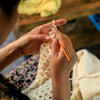
Crafting a New Identity: The Impact of Global Demand for Indian Handicrafts

In the dimly lit corners of a Bangalore atelier, an artisan meticulously threads silk through a loom, crafting a garment that echoes centuries of Indian heritage. Meanwhile, in a bustling cafe in Singapore, a customer taps her screen to order that very piece, bridging continents with a single transaction. Such moments highlight a burgeoning renaissance in the world of handmade goods, where global consumers crave the soulful touch of tradition amid a sea of uniformity.
Indian handicrafts represent far more than artisanal output; they embody narratives of culture, resilience, and innovation. As international markets increasingly favor authenticity over assembly-line efficiency, these handcrafted items are carving out significant space in global commerce, transforming the lives of creators and captivating discerning buyers.
The trajectory of this sector is impressive. The India handicrafts market size stood at USD 4,565.0 million in 2024, with projections indicating growth to USD 8,198.5 million by 2033, driven by a compound annual growth rate (CAGR) of 6.39% from 2025 to 2033. This surge is fueled by escalating disposable incomes, a heightened appetite for ethnic and handmade decor, the proliferation of e-commerce platforms, governmental export promotion initiatives, rising tourism, and a universal inclination toward sustainable, eco-friendly products. Regionally, the market segments into North India, West and Central India, South India, and East India. Product categories encompass woodware, artmetal ware, handprinted textiles and scarves, embroidered and crocheted goods, zari and zari goods, imitation jewelry, sculptures, pottery and glass wares, attars and agarbattis, and others. Distribution channels include mass retailers, departmental stores, independent retailers, specialty stores, online stores, and more.
On a broader scale, the global handicrafts market achieved a value of USD 880.82 billion in 2025, poised to expand at a CAGR of 11.80% from 2026 to 2035, reaching USD 2,687.23 billion by the latter year. This growth reflects deepening cultural appreciation for heritage preservation through traditional arts. Governments, NGOs, and cultural bodies are launching programs to rejuvenate indigenous crafts. For example, Vodafone Idea's "Artisans of India" initiative, rolled out in August 2024 with NGO collaborations, highlights local handicrafts across 12 Indian states. Other drivers include expanding middle-class populations in emerging economies boosting disposable incomes such as the OECD's report of a 0.5% rise in real household income per capita in Q4 2024 and skill-enhancing training programs like the Flipkart Foundation and AIACA's Sustainable Artisan Enterprise Programme in May 2025, which empowered over 600 women artisans in Gujarat.
Personalization trends are also pivotal, with technologies like digital embroidery machines, 3D printing, and online design platforms allowing custom creations. The demand for sustainable products is evident in efforts like NIT graduates recycling 350,000 kg of plastic waste into home decor in August 2024. E-commerce expansions, such as Tunisia's Souk Lemdina launch in March 2024, and tourism influences where average spending on traditional handicrafts in Japan hit ¥13,338 per visitor in July-September 2023 further propel the market. Institutional support includes the EU and India's February 2025 launch of seven textile and handicraft projects funded by EUR 9.5 million, and technological advancements like LOKLiK's iCraft™ smart cutter in January 2025.
Recent events underscore this momentum: the World Crafts Forum hosted by UNESCO, the World Crafts Council, and India's Ministry of Textiles in New Delhi in January 2025; Meghalaya's Handloom & Handicraft Innovation Centre launch in Shillong in December 2024 under the RAMP program; the Indo-French “Kavad” collaboration in October 2024; Saudi Arabia's declaration of 2025 as the “Year of Handicrafts” in September 2024; and Iran's 13 cities and 3 villages registered as “world cities of handicrafts.” India itself exported handicrafts valued at INR 30,019 crore in FY 2023, primarily to the USA, UK, UAE, Germany, France, and Netherlands.
Fast fashion erodes cultural heritage, sidelining artisans and reducing traditions to trends. At IndieHaat, we champion India's craftspeople with handcrafted sarees, apparel, décor, and skincare rooted in authenticity. Each piece embodies skill and ethical care. Support artisans and preserve India's timeless legacy Shop Now!
The Human Element: Artisans Driving the Revival
At the core of this industry are the artisans themselves, a workforce exceeding seven million in India, predominantly in rural and small-town settings where economic options are limited. Remarkably, over 56% of these artisans are women, channeling ancestral skills into viable incomes that sustain families and communities.
India features 744 handicraft clusters that employ nearly 212,000 artisans, yielding more than 35,000 unique products ranging from woodware and art metal wares to handprinted textiles, embroidered goods, zari items, imitation jewelry, sculptures, pottery, glassware, attars, and agarbattis. Prominent clusters thrive in cities like Surat, Bareilly, Varanasi, Agra, Hyderabad, Lucknow, Chennai, and Mumbai, yet the bulk of production occurs in quieter locales, preserving a decentralized, community-focused model.
This sector transcends mere commerce; it safeguards cultural legacies. In a world dominated by fast fashion and ephemeral trends, consumers are gravitating toward items imbued with historical significance. Consider a silk dupatta or a linen blouse not just apparel, but portals to authentic, pure fabrics like linen, silk, and cotton, often sourced directly from artisans through ethical partnerships. Brands that curate such offerings, like those based in Bangalore, emphasize rigorous selection processes to guarantee quality, cultural fidelity, and sustainable production, thereby empowering creative communities and perpetuating age-old practices.
Yet, artisans confront substantial hurdles. Competition from inexpensive machine-made alternatives floods markets, creating disparities for traditional makers. Income instability plagues many, perpetuating poverty and shrinking the artisan economy in South Asia. Thin margins, market competition, middlemen exploitation, and outdated tools exacerbate these issues. Additional challenges include licensing woes, raw material shortages and costs, inadequate training, and limited market knowledge. In Orissa, for instance, artisans struggle with timely wage payments and raw material access. Marketing difficulties arise from insufficient knowledge, hindering sales to customers, wholesalers, or retailers.
Digital Bridges: E-Commerce Revolutionizing Access
The advent of digital platforms has dramatically altered the landscape. Marketplaces such as Amazon and the Open Network for Digital Commerce (ONDC) enable curated brands to connect with audiences in India, the US, Singapore, Australia, the UK, and the UAE. No longer confined to physical bazaars, shoppers can acquire meticulously chosen handmade apparel, accessories, home decor, and artisanal skincare with ease, delivered directly to their doorsteps.
E-commerce's impact on the handicrafts realm is profound, empowering artisans to bypass traditional barriers and control pricing and quality while tapping into expanding consumer bases. It supports ethical sourcing, with strong demand from international markets like the US, UK, Singapore, Australia, and UAE, complementing domestic interest. Startups are redefining the sector through AI and e-commerce, boosting revenues by 10% and slashing production costs by 50% for artisans. However, challenges persist, including high logistical costs and digital literacy gaps that exclude some artisans from platforms. Digital public infrastructure, backed by social investments, could democratize access.
This digital evolution addresses common consumer concerns. Elevated pricing stems from ethical sourcing and superior craftsmanship, but transparency via artisan stories and selection criteria fosters trust. The tactile limitation is mitigated through high-resolution imagery, customer testimonials, and flexible return options on social channels like Instagram, Facebook, and YouTube.
Curated e-commerce entities distinguish themselves by prioritizing direct artisan sourcing, exclusive designs, and restricted fabrics linen, silk, and cotton ensuring fairness, sustainability, and community upliftment.
Emerging Trends and Future Horizons
Looking ahead, key trends are shaping the sector. Sustainability dominates, with eco-friendly materials gaining traction. Handcrafted furniture, metal sculptures, and personalized items are on the rise. The Indian market, valued at $44.8 billion in 2023, is eyed to hit $71.3 billion by 2030. President Droupadi Murmu in 2025 emphasized securing GI tags to enhance credibility globally. UNESCO's showcase at Bharat Tex 2025 highlighted the transformative potential of India's handloom and handicrafts.
Global e-commerce promises a bright future for Indian handicrafts, with increasing digital presence amplifying demand. By embracing these platforms, artisans can broaden reach, as seen in initiatives reviving traditional crafts through online and international trade.
A Legacy Renewed
As worldwide demand redefines India's handicrafts arena, it forges fresh identities for all involved. Artisans secure financial stability and acclaim, traditions adapt resiliently, and buyers adopt items that resonate on personal and ethical levels.
This evolution is enduring. Bolstered by e-commerce's reach, policy support, and a shift to meaningful consumption, India's artisanal legacy endures vibrantly, enriching lives one crafted masterpiece at a time.
Frequently Asked Questions
How big is the Indian handicrafts market and what is driving its growth?
The Indian handicrafts market was valued at USD 4,565.0 million in 2024 and is projected to reach USD 8,198.5 million by 2033, growing at a CAGR of 6.39%. This growth is driven by rising disposable incomes, increased demand for ethnic and handmade products, e-commerce expansion, government export initiatives, growing tourism, and a global shift toward sustainable and eco-friendly goods. Additionally, personalization trends and digital platforms are making authentic Indian handicrafts more accessible to international markets.
What challenges do Indian artisans face in the handicrafts industry?
Indian artisans, who number over seven million with more than 56% being women, face significant challenges including competition from cheap machine-made alternatives, income instability, and exploitation by middlemen. They also struggle with outdated tools, licensing issues, raw material shortages and costs, inadequate training, limited market knowledge, and difficulties in marketing their products directly to customers. Despite these hurdles, e-commerce platforms and digital initiatives are helping artisans bypass traditional barriers and connect directly with global consumers.
How has e-commerce transformed the Indian handicrafts sector?
E-commerce has revolutionized the handicrafts sector by enabling artisans to reach global markets in the US, UK, Singapore, Australia, and UAE through platforms like Amazon and ONDC. Digital platforms have empowered artisans to control pricing and quality while bypassing middlemen, with startups using AI and e-commerce boosting revenues by 10% and reducing production costs by 50%. However, challenges remain, including high logistical costs and digital literacy gaps, which require investment in digital public infrastructure to ensure wider access for all artisans.
Disclaimer: The above helpful resources content contains personal opinions and experiences. The information provided is for general knowledge and does not constitute professional advice.
You may also be interested in: Artisans in Kerala Preserve Palm Leaf Craft for Modern Homes
Fast fashion erodes cultural heritage, sidelining artisans and reducing traditions to trends. At IndieHaat, we champion India's craftspeople with handcrafted sarees, apparel, décor, and skincare rooted in authenticity. Each piece embodies skill and ethical care. Support artisans and preserve India's timeless legacy Shop Now!
Powered by flareAI.co