Consumer Awareness Programs Supporting Traditional Weaves
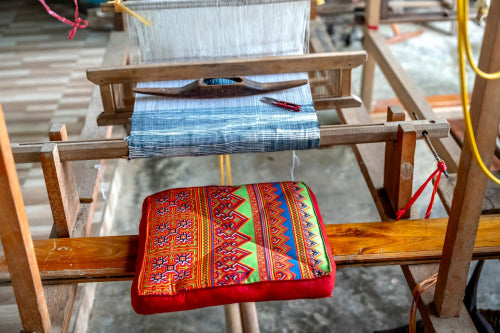
In a world increasingly drawn to mass-produced fashion, a quiet revolution is unfolding through consumer awareness programs that celebrate and sustain India's traditional weaves. From the intricate Tussar sarees of Jharkhand to the breathable linen sarees of Bengal, these initiatives are bridging the gap between artisans and conscious buyers across India, the US, Singapore, Australia, the UK, and the UAE. Every handcrafted garment carries stories of skill, heritage, and resilience that no machine can replicate.
Platforms like IndieHaat play a vital role in this movement. Based in Bangalore, IndieHaat curates authentic handmade apparel, accessories, home décor, and artisanal skincare sourced directly from artisans using only pure linen, silk, and cotton. By prioritising quality and cultural authenticity over volume, such curated e-commerce efforts help overcome common barriers like trust concerns and the inability to physically examine products, making heritage textiles easily accessible on marketplaces including Amazon marketplace and ONDC Marketplace.
Fast fashion erodes cultural heritage, sidelining artisans and reducing traditions to trends. At IndieHaat, we champion India's craftspeople with handcrafted sarees, apparel, décor, and skincare rooted in authenticity. Each piece embodies skill and ethical care. Support artisans and preserve India's timeless legacy Shop Now!
Why Traditional Weaves Matter in Modern India
India's handwoven textiles represent far more than fabric they embody living expressions of regional identity, sustainable practices, and generational knowledge passed down through families. Tussar sarees, with their natural golden sheen and distinctive textured drape, and linen sarees, celebrated for their cool comfort in humid climates, showcase centuries of masterful craftsmanship. These traditions, however, face ongoing pressures from fast fashion and the migration of younger artisans to urban jobs.
Consumer awareness programs counter these challenges by educating buyers about the true value of supporting handlooms. They demonstrate how choosing authentic pieces empowers rural communities, preserves irreplaceable skills, and offers eco-friendly alternatives to synthetic materials. Across India and among diaspora communities in key markets, these efforts cultivate a deeper appreciation for ethical fashion that honours both people and planet.
Government and Community Initiatives Driving Change
The Ministry of Textiles has led meaningful progress through programmes like the Handloom Mark, which provides clear assurance of genuine handcrafted origin. Campaigns such as “Know Your Weaves” bring live demonstrations, workshops on natural dyes, and heartfelt storytelling sessions to urban audiences, reconnecting city dwellers with iconic regional weaves during festivals and cultural events.
These efforts extend internationally as well. In Singapore, heritage boards promote South Asian textiles through vibrant cultural festivals. In the US and UK, artisan marketplaces and diaspora networks organise exhibitions and virtual tours. Consumers in Australia and the UAE, who increasingly seek sustainable and unique options, discover these weaves through targeted campaigns on Instagram, Facebook, and YouTube platforms where IndieHaat regularly shares authentic artisan journeys and behind-the-scenes stories.
Such programmes address buyer objections directly. Perceived high pricing reflects fair compensation for artisans, premium natural materials, and the extensive time invested in each piece. Trust builds through complete transparency artisan profiles, GI tags, and clear certifications. While online purchases lack the ability to touch and feel, detailed fabric descriptions, multiple high-resolution images, and genuine customer experiences help bridge that sensory gap effectively.
Emerging Trends Shaping Weave Awareness
Digital storytelling has profoundly transformed consumer engagement with traditional textiles. Short videos on Instagram capture weavers at their looms, tracing the complete journey from raw yarn to finished sarees and dress materials. Curated platforms like IndieHaat highlight unique designs that simply cannot be found in mass retail, with a strict focus on pure fabrics that age beautifully and offer natural comfort for Indian climates.
The expansion of e-commerce has opened unprecedented global opportunities. Artisans now connect directly with buyers across borders, bypassing multiple middlemen through initiatives that blend timeless tradition with contemporary styling. Linen and Tussar blends in dress materials particularly appeal to modern wardrobes suitable for both festive occasions like weddings and everyday office wear.
Another powerful trend is the seamless fusion of heritage with sustainability. Awareness programmes promote natural fibres and low-impact processes, resonating strongly with environmentally conscious buyers worldwide. In India, specialised clusters focused on Tussar and linen benefit from ongoing skill development and stronger market connections that keep these traditions economically viable and culturally vibrant.
Real-World Impact Through Artisan Stories
In India, interactive workshops in cities like Bangalore, Delhi, and Mumbai introduce working professionals and fashion enthusiasts to the rich narratives behind Tussar sarees. Participants discover the tribal communities involved, the environmental advantages of handlooms over power looms, and the joy of owning something truly one-of-a-kind. Exhibitions featuring live artisan demonstrations transform shopping into a meaningful cultural experience.
Overseas, Indian communities in the US and UK frequently host pop-up events and online masterclasses. Singapore's cultural festivals often include live weaving displays, while Australian buyers connect with linen sarees through ethical fashion influencers. In the UAE, discerning customers in luxury markets particularly value the exclusivity and craftsmanship of handmade pieces.
IndieHaat perfectly exemplifies this collaborative approach. By partnering directly with artisans, the brand delivers unique designs and pure fabrics to customers who genuinely value authenticity. Its availability on Amazon Marketplace and ONDC Marketplace simplifies access for buyers in primary target regions while educating them on the real worth of traditional craftsmanship.
Overcoming Common Barriers to Handcrafted Textiles
Many potential buyers hesitate due to concerns about pricing or doubts regarding authenticity. Awareness initiatives tackle these by humanising the process sharing how a single Tussar saree may take a skilled weaver several weeks or even months to complete, with natural variations that make each garment uniquely beautiful. Educational content across social media demystifies weaving techniques and builds lasting confidence.
The lack of physical touch remains another frequent objection. Forward-thinking brands respond with customer-friendly policies including easy returns, fabric swatches on request, comprehensive care guides, and virtual styling sessions. Real customer testimonials and detailed product stories further reassure shoppers, resulting in stronger demand for sustainable, story-rich garments that celebrate India's weaving heritage.
Practical Ways to Support Traditional Weaves
Supporting these awareness programmes is both simple and impactful. Look for the official Handloom Mark when browsing. Follow dedicated artisan spotlights on Instagram and YouTube channels. Choose trusted curated platforms like IndieHaat for selections of sarees, dress materials, Tussar sarees, linen sarees, and accessories that meet the highest standards of authenticity.
Businesses can contribute by collaborating with artisan clusters, hosting workshops, or incorporating handloom elements into their own collections. Consumers in India and across target international markets wield significant influence by consciously choosing ethical, culturally rich options that sustain livelihoods and preserve traditions.
- Opt for pure natural fabrics over blends whenever possible
- Share your purchases and the stories behind them on social media
- Participate in local handloom exhibitions and workshops
- Educate friends and family about the value of handmade Indian textiles
The Enduring Legacy of Conscious Consumer Choices
Consumer awareness initiatives do much more than preserve traditional weaves they actively revitalise communities, strengthen rural economies, and enrich global fashion with genuine meaning and cultural depth. As more people discover the beauty, comfort, and ethical advantages of Tussar and linen sarees, the vital thread connecting India's past with its future grows stronger and more vibrant.
IndieHaat's steadfast commitment to direct artisan sourcing, exclusive designs, and uncompromising use of pure fabrics embodies this spirit. By making thoughtful choices, we collectively ensure that India's extraordinary handcrafted traditions continue to thrive for generations to come, one exquisite weave at a time.
This perspective draws on verified insights into India's handicrafts sector, where expansion through e-commerce platforms, government support, and a growing global preference for sustainable and culturally authentic products continues to create meaningful opportunities for artisans and conscious consumers alike.
Frequently Asked Questions
What are consumer awareness programs for traditional Indian weaves, and how do they help artisans?
Consumer awareness programs educate buyers about the cultural, environmental, and economic value of India's handwoven textiles, such as Tussar sarees from Jharkhand and linen sarees from Bengal. Initiatives like the government's Handloom Mark certification and "Know Your Weaves" campaigns connect urban consumers with rural artisans through workshops, live demonstrations, and digital storytelling. These programs help sustain artisan livelihoods by driving demand for authentic handcrafted pieces over mass-produced alternatives.
Why are Tussar and linen sarees considered sustainable and eco-friendly fashion choices?
Tussar and linen sarees are crafted from natural fibres using low-impact, traditional handloom processes that produce far less environmental waste than power-loom or synthetic textile manufacturing. Each piece is made without harmful chemicals, and the handweaving process itself supports rural, low-carbon cottage industries. Choosing these textiles over fast fashion reduces your ecological footprint while preserving irreplaceable generational craftsmanship passed down through Indian weaving communities.
How can I verify the authenticity of handloom sarees when shopping online?
Look for the official Handloom Mark, GI (Geographical Indication) tags, and detailed artisan profiles when purchasing handloom sarees on platforms like Amazon Marketplace or ONDC Marketplace. Trusted curated sellers, such as IndieHaat, provide high-resolution images, transparent fabric descriptions, and genuine customer testimonials to replicate the in-person buying experience. Additional buyer-friendly features like fabric swatches on request, easy returns, and virtual styling sessions further help confirm product quality and authenticity before you buy.
Disclaimer: The above helpful resources content contains personal opinions and experiences. The information provided is for general knowledge and does not constitute professional advice.
You may also be interested in: Unveiling 'The Story of Patteda Anchu' - Karnataka's Cultural Treasure
Fast fashion erodes cultural heritage, sidelining artisans and reducing traditions to trends. At IndieHaat, we champion India's craftspeople with handcrafted sarees, apparel, décor, and skincare rooted in authenticity. Each piece embodies skill and ethical care. Support artisans and preserve India's timeless legacy Shop Now!
Powered by flareAI.co