Challenges Facing Handloom Weavers in Regional Clusters
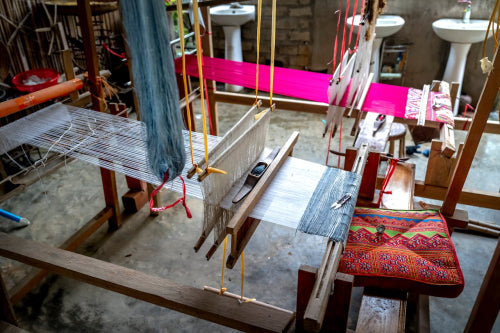
In the bustling lanes of Varanasi, the arid villages of Kutch, and the weaving clusters dotting Tamil Nadu, handloom weavers continue a tradition that has dressed generations. Yet today, these artisans face a marketplace that demands both preservation of heritage and adaptation to modern realities. This tension plays out not just in India but across Indian diaspora communities and conscious consumers in the US, Singapore, Australia, UK, and UAE.
Challenges Facing Handloom Weavers in Regional Clusters reveals the real stories behind the looms and the quiet resilience shaping the future of authentic textiles.
Fast fashion erodes cultural heritage, sidelining artisans and reducing traditions to trends. At IndieHaat, we champion India's craftspeople with handcrafted sarees, apparel, décor, and skincare rooted in authenticity. Each piece embodies skill and ethical care. Support artisans and preserve India's timeless legacy Shop Now!
The Enduring Value of Handloom Clusters
Handloom weaving stands as more than craft it forms a living cultural and economic lifeline for countless families across India. In regional clusters, techniques refined over centuries pass from one generation to the next, creating fabrics that carry the distinct soul of their geography: the subtle sheen of Banarasi silk, the breathable texture of Khadi cotton, and the intricate patterns of Ikat.
These clusters preserve skills that machines simply cannot replicate. The slight irregularities, natural variations in yarn, and human judgment in every shuttle pass give handloom its unmistakable character and superior drape. For conscious consumers from Mumbai to Melbourne, this authenticity resonates powerfully in an age of mass-produced uniformity.
Key Challenges Confronting Artisans Today
Weavers grapple with several pressing hurdles that threaten the long-term sustainability of their craft. Inconsistent incomes push many younger family members toward urban opportunities, while securing quality raw materials has become increasingly complex due to supply chain issues and rising costs. Powerloom alternatives often undercut prices, making it difficult for traditional artisans to compete on volume.
Reaching discerning buyers beyond local haats remains another significant barrier. Limited digital access and marketing know-how mean many exquisite pieces stay undiscovered, even as buyers in India and international markets actively seek genuine handmade textiles.
Addressing Common Buyer Objections
- High pricing: Handcrafted pieces reflect the hours of skilled labour and limited production scale. Direct sourcing from artisans ensures the premium supports weaving communities rather than multiple intermediaries.
- Trust deficit: Transparent storytelling through weaver profiles, cluster origins, and process videos builds confidence. Platforms enabling direct connections between makers and buyers help overcome this gap effectively.
- Inability to touch and feel: High-resolution imagery, detailed descriptions, fabric swatches where possible, and customer-friendly return policies reduce hesitation. Buyers often discover that the superior quality and longevity of pure linen, silk, and cotton exceed expectations.
Emerging Trends Offering New Hope
Artisans across India are actively innovating, blending contemporary designs with time-honoured techniques. Fusion patterns that combine heritage motifs with modern silhouettes appeal strongly to younger buyers in Singapore, Australia, and urban India. Government craft initiatives and local councils now offer training in natural dyeing and sustainable methods, enhancing both quality and ecological value.
Digital marketplaces have emerged as powerful enablers. By connecting artisans directly with global audiences, these platforms reduce intermediary layers, improve earnings for weavers, and deliver unique designs to appreciative customers. This model proves particularly meaningful for diaspora families seeking cultural connection through clothing and home textiles.
Sustainability and Ethical Fashion Drive Demand
Today's consumers actively seek products with authentic stories and genuine impact. Handloom production naturally aligns with these values it relies on minimal electricity, natural fibres, and traditional methods that support biodiversity. In markets such as the UK and UAE, where ethical consumption continues to gain ground, these attributes make handloom a preferred choice for mindful buyers.
Platforms like IndieHaat demonstrate this evolution through their focus on handmade items directly sourced from artisans, unique designs, and commitment to authentic and pure fabrics only linen, silk, and cotton. By streamlining the journey from loom to customer, such models help address pricing concerns while delivering better returns to the artisans themselves.
Regional Perspectives Across Target Markets
Within India, the vast network of artisan communities provides both collective strength and coordination challenges. Different states specialise in signature techniques, yet all clusters share common struggles around consistent market access and fair compensation.
Among diaspora communities in the US and UK, handloom serves as a vital link to cultural roots from wedding sarees and festive kurtas to meaningful home textiles. In Singapore, Australia, and the UAE, the appeal centres on sustainable luxury and distinctive style that sets pieces apart from fast fashion alternatives.
Social media platforms Instagram, Facebook, and YouTube play essential roles across all these regions. Process videos, weaver interviews, and practical styling inspiration humanise the craft and foster deeper emotional connections with audiences.
Opportunities for Sustainable Growth
The road ahead lies in meaningful collaboration. Programmes that combine traditional skills with practical business training empower weavers to thrive. Designer partnerships introduce fresh aesthetics while protecting authenticity, and targeted investments in cluster infrastructure better looms, improved dyeing units, and storage facilities enhance both quality and productivity.
Conscious consumers wield real influence. Every verified purchase of handmade textiles supports cultural preservation and fair livelihoods. The rising preference for slow fashion across India and global markets signals strong momentum for this movement among thoughtful buyers.
Real Stories from the Loom
Picture a weaver in Maheshwar whose family has produced soft Maheshwari silk for generations. Through direct platforms, her intricate work now graces homes in Dubai and Sydney. Or the block printer in Bagru whose natural dyes and traditional motifs delight eco-conscious families in California and Bengaluru alike.
These lived experiences show how persistent challenges can transform into opportunities when artisans receive proper visibility and fair market access. The human pride in craftsmanship and joy of creation become tangible when buyers understand the complete journey behind each garment.
Looking Ahead: Tradition Meets Tomorrow
Handloom weaving will continue to flourish not by resisting modernity but by engaging it on its own terms. Digital tools that once appeared threatening now open doors to worldwide appreciation and sustainable income. Regional clusters remain the vibrant hearts of innovation, where fresh ideas merge seamlessly with centuries of accumulated wisdom.
For platforms and brands committed to authenticity, the priorities remain consistent: direct relationships with artisans, complete transparency, and celebration of unique, pure fabrics. As consumers across India and international markets search for meaningful alternatives to disposable fashion, handloom offers enduring beauty paired with real substance.
The looms keep their steady rhythm. The real question is whether enough of us will choose to listen closely to their story and support the skilled hands that bring it to life.
“Each thread carries generations of knowledge. When we buy handloom, we don't just acquire fabric we become part of a living tradition.”
The future of these regional clusters depends on collective will from supportive policies and dedicated platforms to conscious consumers who value skill, time, and heritage in every metre of cloth. By making informed choices, we help ensure handloom weaving remains vibrant, relevant, and respected for generations to come.
Frequently Asked Questions
What are the main challenges faced by handloom weavers in India today?
Handloom weavers in regional clusters struggle with inconsistent incomes, rising raw material costs, and competition from powerlooms. Limited digital access and marketing expertise make it difficult for artisans to reach buyers beyond local markets, threatening the long-term sustainability of their craft.
How can consumers support handloom artisans while shopping?
Consumers can support handloom artisans by purchasing directly from platforms like IndieHaat, which ensure fair compensation and transparency. Choosing authentic handmade textiles in silk, cotton, or linen helps preserve traditional techniques, sustain artisan livelihoods, and promote slow, ethical fashion.
What trends are helping handloom weavers adapt to modern markets?
Handloom artisans are blending traditional techniques with contemporary designs to appeal to younger buyers, both in India and abroad. Digital marketplaces, designer collaborations, and government craft initiatives provide new opportunities, helping weavers reach global audiences while maintaining cultural authenticity.
Disclaimer: The above helpful resources content contains personal opinions and experiences. The information provided is for general knowledge and does not constitute professional advice.
You may also be interested in: Fusion Designs Blend Heritage Techniques with Modern Silhouettes
Fast fashion erodes cultural heritage, sidelining artisans and reducing traditions to trends. At IndieHaat, we champion India's craftspeople with handcrafted sarees, apparel, décor, and skincare rooted in authenticity. Each piece embodies skill and ethical care. Support artisans and preserve India's timeless legacy Shop Now!
Powered by flareAI.co