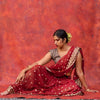
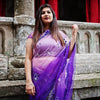
Buy Pure Cotton Saree: What to Know Before You Shop
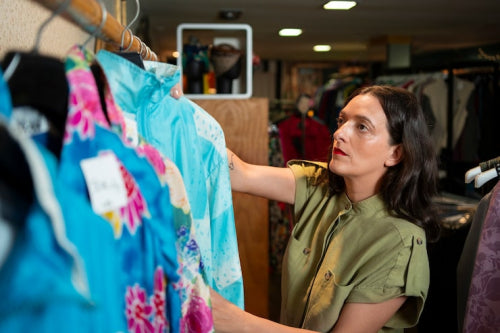
The soft rustle of a cotton saree catches the breeze, draping elegance over everyday moments. For centuries, this timeless garment has woven itself into the fabric of Indian culture, blending artistry with practicality. Today, as sustainable fashion takes center stage, pure cotton sarees are capturing hearts worldwide, from bustling Indian cities to the vibrant diaspora in the US, UK, and beyond. But what makes a cotton saree truly special, and how do you choose one that's worth your investment? Let's unravel the threads of this enduring craft and explore what you need to know before you shop.
The Timeless Allure of Pure Cotton Sarees
Pure cotton sarees are more than just clothing; they're a celebration of heritage. Their breathable, lightweight fabric makes them a go-to for everything from daily wear to festive occasions. At IndieHaat, artisans handcraft each saree, ensuring every piece carries the soul of its maker. The global appeal is undeniable the ethnic wear market, valued at USD 108,068.56 million in 2024, is projected to reach USD 198,178.9 million by 2033, with a CAGR of 6.97%. This growth reflects a rising love for traditional attire, especially among culturally diverse communities in regions like India, the US, Singapore, Australia, the UK, and the UAE.
Why the surge? Consumers are craving authenticity. Handwoven cotton sarees, with their intricate patterns and eco-friendly appeal, resonate with a world increasingly drawn to sustainable fashion. IndieHaat taps into this by sourcing directly from artisans, offering designs that feel both timeless and fresh.
Trends Shaping the Cotton Saree Market
Sustainability is no longer a buzzword it's a movement. The India saree market, valued at USD 5.76 billion in 2024, is expected to hit USD 10.33 billion by 2033, growing at a 6.70% CAGR. A key driver? The demand for sustainable handloom sarees, backed by initiatives like GI tags and the Handloom Mark, which guarantee authenticity while supporting weaver communities. Cotton, being biodegradable and breathable, fits perfectly into this eco-conscious wave, unlike synthetic fabrics that harm the environment.
Technology is also reshaping how we shop for sarees. E-commerce platforms, fueled by AI-driven customization and virtual try-ons, make it easier to explore unique designs. Online ethnic wear sales now account for 35% of the market, with 20% of buyers using AR try-ons to visualize their purchase. IndieHaat leverages this trend, showcasing their collections on Instagram, Facebook, and YouTube, where vibrant visuals and artisan stories draw in younger buyers, including Gen Z, who favor fusion styles blending tradition with modern flair.
What Makes a Quality Cotton Saree?
Not all cotton sarees are created equal. The hallmark of a great one lies in its fabric: 100% pure cotton, prized for its durability and comfort, especially in warm climates. Unlike blended or synthetic sarees, which dominate 72% of the market according to recent trends, pure cotton offers a softness that synthetic blends can't match. Look for certifications like the Handloom Mark to ensure you're getting the real deal.
Weaving techniques set handloom sarees apart. Shantipur Handloom Industry in West Bengal, for example, is renowned for its cotton Shantipuri sarees, crafted with precision in places like Phulia. These techniques, passed down through generations, create intricate patterns that elevate a saree from mere fabric to art. IndieHaat's commitment to sourcing directly from artisans ensures each saree reflects this craftsmanship, whether it's a minimalist design or a richly detailed weave.
Draping matters too. A well-made cotton saree should fall gracefully, enhancing the wearer's silhouette. IndieHaat provides detailed guides on their site, helping buyers assess fit and style, even when shopping online.
The Artisans Behind the Weave
Every saree tells a story. At IndieHaat, artisans from regions like Shantipur and Phulia bring their expertise to life. Take the weavers of Lakshmi Textile Tant Workshop, where looms hum with the rhythm of tradition. These artisans don't just create sarees; they preserve a legacy. IndieHaat's direct partnerships ensure fair wages and recognition for these skilled hands, connecting buyers to the human story behind each piece.
Instagram accounts like anilarubyraj and svishala74 showcase the vibrancy of handwoven sarees, offering glimpses into the artistry that defines IndieHaat's collections. These platforms bridge the gap between artisans and global buyers, making every purchase a celebration of culture.
Overcoming Common Concerns
Buying a pure cotton saree online can feel daunting. One common objection is price handwoven sarees often cost more than mass-produced alternatives. But as the global handloom sarees market, valued at USD 3.72 billion in 2024, grows to USD 7.29 billion by 2032, it's clear that quality justifies the investment. Artisanal work, sustainable materials, and ethical sourcing drive costs, but they also ensure longevity and exclusivity.
Trust is another hurdle. Without touching the fabric, how do you know it's authentic? IndieHaat addresses this with high-quality images, detailed descriptions, and transparency about their sourcing. Their social media presence on platforms like Instagram and Facebook builds confidence, with influencers like drminimalhotra showcasing the brand's authenticity.
Then there's the challenge of not feeling the fabric. IndieHaat counters this with vivid storytelling videos and posts that capture the texture and drape of their sarees, making the online experience as immersive as possible.
Seizing the Global Opportunity
The demand for handcrafted sarees is soaring, especially in IndieHaat's target markets: India, the US, Singapore, Australia, the UK, and the UAE. With 60% of ethnic wear sales spiking during festivals, these regions offer immense potential. Social media plays a pivotal role platforms like Instagram and YouTube allow IndieHaat to engage directly with buyers, while influencers amplify their reach.
The business impact is clear: as e-commerce grows, so does access to global markets. IndieHaat's focus on authentic, sustainable sarees positions it to capture a slice of the projected USD 198,178.9 million ethnic wear market by 2033.
A Memorable Conclusion
Choosing a pure cotton saree is more than a purchase; it's an embrace of artistry, sustainability, and culture. As you navigate the world of handwoven sarees, prioritize quality, authenticity, and the stories behind the weave. IndieHaat makes this easy, offering a curated collection that honors artisans and delivers timeless elegance. Whether you're in Mumbai, New York, or Dubai, their sarees bring a piece of India's heritage to your wardrobe. Explore their collection on IndieHaat or follow them on Instagram to discover the beauty of handcrafted cotton sarees because every thread tells a story worth wearing.
Frequently Asked Questions
What makes a pure cotton saree different from synthetic or blended sarees?
Pure cotton sarees are made from 100% cotton fabric, making them more breathable, comfortable, and durable than synthetic alternatives. Unlike blended sarees that dominate 72% of the market, pure cotton offers superior softness and is ideal for warm climates. Look for certifications like the Handloom Mark to ensure authenticity and quality when shopping for genuine cotton sarees.
Why are handwoven cotton sarees more expensive than mass-produced ones?
Handwoven cotton sarees cost more because they involve artisanal craftsmanship, sustainable materials, and ethical sourcing practices. Each saree is carefully crafted by skilled weavers using traditional techniques passed down through generations, ensuring uniqueness and superior quality. The investment is justified by the saree's longevity, exclusivity, and the support it provides to artisan communities.
How can I trust the quality when buying cotton sarees online?
When buying cotton sarees online, look for detailed product descriptions, high-quality images, and transparency about sourcing practices. Reputable sellers provide clear information about fabric composition, weaving techniques, and artisan partnerships. Check for authentic reviews, social media presence, and certifications like the Handloom Mark to ensure you're purchasing genuine handcrafted cotton sarees.
Disclaimer: The above helpful resources content contains personal opinions and experiences. The information provided is for general knowledge and does not constitute professional advice.
You may also be interested in: Rewards – Indiehaat.com
Fast fashion erodes cultural heritage, sidelining artisans and reducing traditions to trends. At IndieHaat, we champion India's craftspeople with handcrafted sarees, apparel, décor, and skincare rooted in authenticity. Each piece embodies skill and ethical care. Support artisans and preserve India's timeless legacy Shop Now!
Powered by flareAI.co